
Drilled Rotors: Performance Braking Explained

Drilled Rotors: Performance Braking Explained
When it comes to upgrading your vehicle's braking system, drilled rotors stand out as one of the most popular choices among performance enthusiasts and everyday drivers alike. These specialized brake components feature precisely machined holes that penetrate through the rotor surface, offering distinct advantages over traditional solid rotors. Understanding how drilled rotors work and whether they're right for your vehicle can help you make an informed decision about your next brake upgrade.
At DBC Brakes and CrossDrilledRotors.ca, we've seen firsthand how the right braking components can transform vehicle performance while maintaining safety standards. For Canadian drivers facing diverse weather conditions and demanding driving situations, choosing the appropriate brake system is crucial for both performance and peace of mind.
How Drilled Rotors Function
Drilled rotors work on a simple yet effective principle. The holes drilled through the rotor surface serve multiple functions that enhance braking performance. When brake pads clamp down on the rotor surface during braking, they generate significant heat and friction. This friction produces gases and debris that can accumulate between the pad and rotor, potentially reducing braking efficiency through a phenomenon known as brake fade.
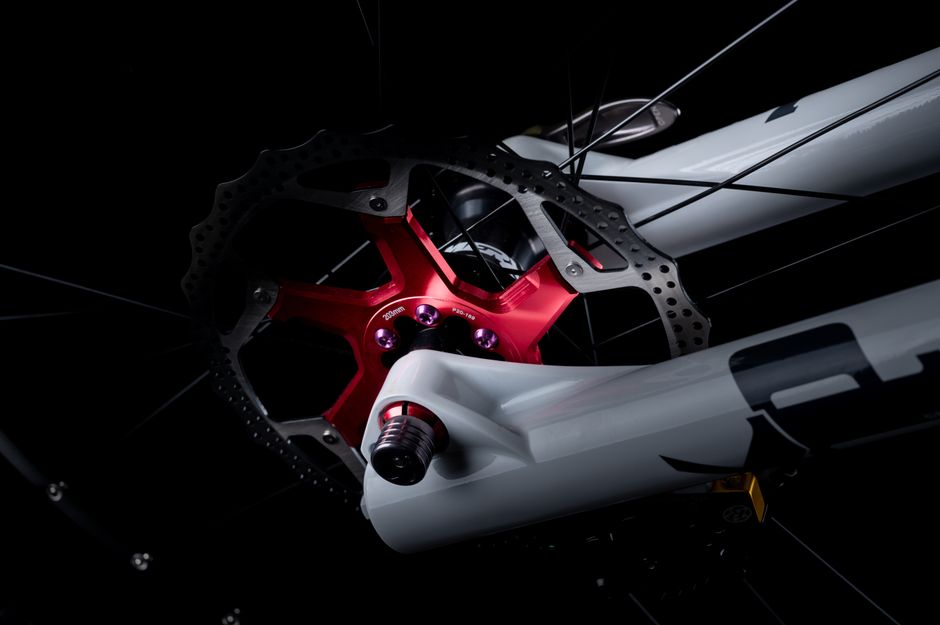
The drilled holes provide an escape route for these gases, water, and debris. As the rotor spins, these holes act as vents, continuously clearing the braking surface and maintaining optimal contact between the pad and rotor. This design feature becomes particularly valuable during high-performance driving situations or when descending steep grades where brakes experience sustained use.
The pattern and size of the holes matter significantly. Too many holes or holes that are too large can compromise the rotor's structural integrity, while too few holes may not provide adequate venting. Professional manufacturers carefully calculate the optimal drilling pattern to balance cooling efficiency with structural strength, ensuring that rotors perform reliably under stress.
Performance Benefits and Applications
Drilled rotors offer several distinct advantages that make them attractive for specific applications. The improved heat dissipation helps maintain consistent braking power during repeated stops or sustained braking situations. For sports car enthusiasts who participate in track days or spirited driving, this characteristic can make a noticeable difference in brake pedal feel and stopping power consistency.
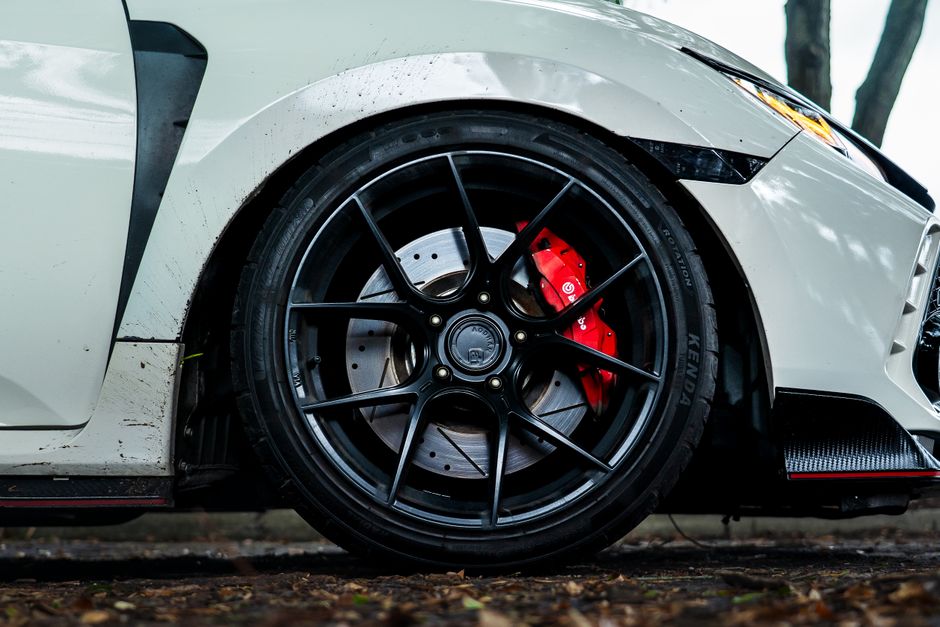
The aesthetic appeal of drilled rotors shouldn't be overlooked either. The distinctive appearance of cross-drilled rotors visible through wheel spokes adds a performance-oriented look that many vehicle owners appreciate. This visual upgrade complements other performance modifications and signals attention to quality components.
In wet conditions, drilled rotors excel at clearing water from the braking surface. Canadian drivers who frequently encounter rain, snow, or slush benefit from this feature, as it helps maintain braking effectiveness when moisture could otherwise create a barrier between pad and rotor. The holes provide channels for water to escape, reducing the risk of hydroplaning effects on the braking surface.
For towing applications, drilled rotors can provide improved heat management during extended brake use. Truck owners who regularly tow trailers or haul heavy loads experience increased brake temperatures, making proper heat dissipation essential for maintaining safe stopping distances and preventing premature brake component wear.
Comparing Drilled Rotors to Other Options
Understanding how drilled rotors compare to slotted and solid rotors helps identify the best choice for your specific needs. Solid rotors represent the standard option found on most vehicles from the factory. They offer excellent durability and longevity but provide limited cooling capacity compared to drilled or slotted designs.

Slotted rotors feature channels machined into the rotor surface rather than holes drilled through it. These slots serve similar functions to drilled holes—clearing gases and debris while providing improved bite. Slotted rotors typically offer superior longevity compared to drilled rotors because the slots don't compromise structural integrity as significantly as through-holes might.
Some performance rotors combine both drilling and slotting, offering the benefits of each design. These hybrid rotors provide maximum heat dissipation and debris removal while maintaining reasonable structural strength. For serious performance applications, combined drilled and slotted rotors often represent the optimal choice, though they come at a higher price point.
The choice between these options depends on your driving style, vehicle type, and performance requirements. Street-driven vehicles with occasional spirited driving typically perform well with drilled rotors. Race vehicles or those subjected to extreme braking demands might benefit more from slotted or combination designs that offer enhanced durability under sustained high-stress conditions.
Maintenance and Longevity Considerations
Proper maintenance extends the life of drilled rotors and ensures consistent performance. Regular inspection of the rotor surface helps identify potential issues before they become serious problems. Look for cracks radiating from the drilled holes, as these can indicate stress that may lead to rotor failure if left unaddressed.
The holes in drilled rotors can occasionally trap debris, particularly in dusty or dirty driving conditions. Periodic cleaning helps maintain optimal performance and prevents buildup that could affect braking efficiency. A simple rinse with water during regular vehicle washing typically suffices to keep the holes clear and functional.
Brake pad selection impacts drilled rotor longevity significantly. High-quality pads designed for use with drilled rotors help prevent excessive wear and reduce the risk of cracking. Avoid extremely aggressive pad compounds unless necessary for competition use, as these can accelerate wear on the rotor surface and potentially cause stress around the drilled holes.
Driving habits also influence how long drilled rotors last. Smooth, progressive braking generates less stress on brake components than abrupt, hard stops. While drilled rotors handle performance driving well, consistently aggressive braking can shorten their service life compared to gentler driving styles.
Temperature cycling affects all brake rotors, but drilled designs may be more susceptible to thermal stress due to the material removed during drilling. Avoiding water exposure immediately after hard braking helps prevent thermal shock that could lead to cracking or warping. Allow rotors to cool gradually when possible, especially after sustained hard use.
Selecting the Right Drilled Rotors
Quality varies significantly among drilled rotor manufacturers, making careful selection essential. Premium rotors feature precise drilling patterns, high-grade materials, and proper heat treatment processes that ensure reliable performance and longevity. Budget options may save money initially but could require more frequent replacement and potentially compromise safety.
Material composition affects rotor performance characteristics. Most drilled rotors use high-carbon cast iron that balances strength, heat dissipation, and cost-effectiveness. Some performance applications benefit from specialty alloys or composite materials that offer enhanced heat resistance, though these typically come at premium prices.
The drilling pattern should appear uniform and precisely machined, with smooth edges around each hole. Poorly drilled rotors with rough or irregular holes can accelerate pad wear and may develop cracks more readily than properly manufactured alternatives. Inspecting rotors before installation helps identify quality issues that could affect performance or safety.
Vehicle-specific fitment ensures optimal performance and safety. Generic "universal fit" rotors rarely provide the precise specifications required for proper brake system operation. Choose rotors designed specifically for your vehicle's make, model, and year to ensure correct dimensions, mounting patterns, and performance characteristics.
For Canadian drivers, considering local climate conditions influences rotor selection. Vehicles driven in harsh winter conditions benefit from rotors with corrosion-resistant coatings that protect non-braking surfaces from salt and moisture damage. These coatings help maintain rotor appearance and prevent rust from compromising structural integrity over time.
Installation and Professional Considerations
Professional installation of drilled rotors ensures proper fit and function while maintaining vehicle safety. Brake system work requires specific knowledge and tools to perform correctly, making professional installation a wise investment for most vehicle owners. Improperly installed brake components can compromise stopping power and create dangerous driving conditions.
When upgrading to drilled rotors, consider replacing other brake system components simultaneously. New brake pads designed for use with drilled rotors optimize performance and longevity. Fresh brake fluid ensures proper hydraulic function and helps prevent moisture contamination that could affect braking efficiency.
The break-in period for new drilled rotors requires attention to proper procedures. Initial gentle stops allow the pad surface to properly mate with the rotor, establishing the contact pattern necessary for optimal braking. Avoiding hard stops during the first few hundred kilometers helps prevent glazing and ensures maximum performance once the break-in process completes.
At DBC Brakes and CrossDrilledRotors.ca, we provide high-quality drilled rotors and complete disc brake kits for all types of vehicles across Canada. Our products combine performance engineering with durability, offering Canadian drivers reliable braking solutions backed by fast shipping and comprehensive support. Whether you drive a sports car, truck, or daily commuter, we have the brake components you need to enhance safety and performance.
Conclusion
Drilled rotors represent a proven upgrade for vehicles requiring improved heat dissipation, better wet-weather performance, and enhanced visual appeal. Understanding their benefits, limitations, and proper maintenance requirements helps ensure you get maximum value from this performance brake component. While not necessary for every vehicle or driving situation, drilled rotors offer tangible advantages for enthusiasts and drivers who demand more from their braking systems.
The key to success with drilled rotors lies in choosing quality components appropriate for your specific vehicle and driving needs, followed by proper installation and maintenance. When correctly implemented, drilled rotors provide reliable, consistent braking performance that enhances both safety and driving enjoyment. For Canadian drivers seeking to upgrade their vehicle's stopping power while handling diverse weather conditions, drilled rotors represent a time-tested solution worth considering.