
Best Performance Brakes: Enhance Your Vehicle's Stopping Power This Winter Season
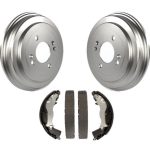
When winter hits and roads turn into unpredictable surfaces of ice, snow, and slush, having the best performance brakes on your vehicle isn't just about going fast, it's about stopping safely when it matters most.
Whether you're navigating icy morning commutes, descending snowy mountain passes, or just want that extra confidence when hitting the brakes on slippery roads, upgrading to quality performance brakes can make a real difference in your winter driving experience.
Most people think performance brakes are only for sports cars and track days, but that's missing the bigger picture. Performance brake systems offer benefits that matter just as much during challenging winter conditions.
Better heat management, improved moisture evacuation, and enhanced stopping power all translate to safer winter driving when temperatures drop and conditions deteriorate.
What Makes Performance Brakes Different
Performance brakes aren't just regular brakes with fancy designs. They're engineered with better materials, more effective cooling systems, and improved friction characteristics that provide superior stopping power across a wider range of conditions.
The rotors in performance brake systems typically feature enhanced designs like cross drilling, slotting, or a combination of both. These features help dissipate heat more effectively, evacuate water and gases from between the pad and rotor, and maintain consistent performance even under stress.
The materials are often upgraded too, with higher-quality cast iron or specialized alloys that resist warping and wear better than standard rotors.
Performance brake pads use advanced friction materials designed to provide better bite, especially in cold temperatures. Ceramic compounds, semi-metallic formulations, and other high-performance materials maintain their effectiveness across temperature extremes, which is crucial when you're dealing with freezing ambient temperatures and hot braking surfaces.
Why Winter Driving Demands Better Brakes
Winter creates unique challenges for your brake system that make performance upgrades particularly valuable. When you're braking on ice or snow, your tires are already fighting for traction. The last thing you need is inconsistent brake performance adding to the uncertainty.
Cold temperatures affect how brake components behave. Standard brake pads can become harder and less responsive in extreme cold. Rotors contract, and the entire system operates outside its optimal temperature range.
Performance brakes are engineered to maintain effectiveness across wider temperature ranges, giving you more consistent stopping power whether it's 20 below or just above freezing.
Moisture is another major winter factor. Snow, slush, rain, and ice all create situations where water gets between your pads and rotors, temporarily reducing friction. Performance rotors with drilled or slotted designs evacuate this moisture more effectively, helping your brakes respond more quickly when you need them.
Road salt and winter chemicals are incredibly corrosive. Premium performance brake systems often include protective coatings on non-friction surfaces that resist rust and corrosion much better than bare metal. This means your brakes maintain their integrity throughout the harsh winter months instead of deteriorating from salt exposure.
Cross Drilled Rotors for Winter Performance
Cross drilled rotors feature holes drilled completely through the friction surface. For Canadian winter conditions, quality cross drilled rotors offer several meaningful advantages that can enhance your winter driving confidence.
The holes provide excellent moisture evacuation, which is particularly valuable during winter when you're constantly dealing with wet, slushy roads. Water and slush escape through the drilled passages, helping your brakes respond more quickly when you first apply them after driving through puddles or melting snow.
Heat dissipation is improved through increased surface area and airflow pathways. Even in winter, your brakes generate significant heat during use, especially on mountain roads or in heavy traffic. Cross drilled rotors help maintain consistent performance by managing this heat more effectively.
Quality cross drilled rotors from reputable manufacturers are engineered to handle thermal stress. They use precision drilling with chamfered edges, superior materials, and proper manufacturing techniques that minimize concerns about cracking from temperature cycling between freezing air and hot brakes.
Slotted Rotors: The Winter Workhorse
Slotted rotors feature grooves cut into the friction surface instead of holes drilled through. These slots provide many of the same benefits as drilling without creating as many stress concentration points. For winter driving, slotted rotors often represent an excellent balance between performance and durability.
The slots channel away water, slush, snow, and brake dust effectively. For daily driving in serious winter conditions, they offer excellent moisture evacuation that helps maintain consistent brake response even on wet, salty roads.
Slotted rotors handle thermal stress well, making them less prone to issues from the constant temperature cycling of winter driving. They're an excellent choice for heavier vehicles, trucks, SUVs, or anyone who tows during winter months. The slots provide aggressive bite without the considerations of drilled designs.
Ceramic Brake Pads for Cold Weather
Ceramic brake pads are a popular choice for performance brake systems, and they offer specific advantages for winter driving. They're made from dense ceramic compounds mixed with copper fibers, creating a pad that operates quietly, produces minimal dust, and provides smooth, consistent braking.
In moderate winter temperatures, ceramic pads work beautifully. They maintain good bite without the noise and dust issues of semi-metallic pads. For daily driving in urban and suburban winter conditions, they're often the best choice for comfort and cleanliness.
However, in extreme cold, ceramic pads can become slightly harder and less responsive. If you regularly face temperatures well below zero, you might find semi-metallic pads provide better cold-weather bite. The choice depends on your local climate and priorities.
Ceramic pads are also gentler on rotors, which can extend rotor life. This makes them economical over time despite their higher initial cost. For winter commuters who want quiet, clean, reliable braking in typical winter conditions, ceramic pads paired with quality rotors are hard to beat.
Semi-Metallic Pads for Extreme Conditions
Semi-metallic brake pads contain 30 to 65 percent metal content, usually a mix of steel, iron, copper, or graphite. This gives them exceptional heat resistance and cold-weather performance that makes them ideal for challenging winter driving.
The metal content helps semi-metallic pads maintain their bite even in extreme cold. When temperatures plummet, these pads continue to grip effectively, providing confident stopping power. For Canadian winters with severe cold snaps, semi-metallic pads are often the better choice over ceramic.
They also handle heat brilliantly, which matters when you're descending long mountain grades or doing repeated hard stops. The pads resist fade and maintain consistent performance under stress. For trucks, SUVs, or anyone towing in winter, semi-metallic pads are usually the recommended option.
The trade-offs are more noise and significantly more brake dust. They're also harder on rotors, potentially shortening rotor life. However, if maximum stopping power in all conditions is your priority, these compromises are worth it.
Complete Brake Kit Advantages
Purchasing a complete performance brake kit that includes matched rotors and pads offers several advantages. The components are engineered to work together optimally, ensuring you get the best possible performance from the system.
Kits often include all necessary hardware like clips, shims, and lubricant, making installation straightforward. This is especially convenient during winter when you want the job done right the first time without multiple trips to the parts store in the cold.
Matched components also simplify the bedding-in process. When rotors and pads are designed as a system, they mate together more effectively, creating that crucial transfer layer of pad material on the rotor surface that ensures optimal performance.
Many performance brake kits from quality manufacturers include warranties that cover the entire system. This provides peace of mind knowing your winter brake upgrade is backed by the manufacturer.
Protective Coatings Matter in Winter
One often-overlooked aspect of performance brakes is protective coating on non-friction surfaces. Premium rotors feature zinc, ceramic, or specialized coatings on the center hat, cooling vanes, and edges that dramatically improve corrosion resistance.
In Canadian winters with constant salt exposure, these coatings are invaluable. They prevent the ugly rust buildup that plagues uncoated rotors and, more importantly, maintain the structural integrity and performance of your brakes throughout winter.
Coated rotors also look better behind your wheels. Instead of rust-stained rotors visible through your spokes, you maintain that clean, professional appearance all winter long. It's a cosmetic benefit that also signals quality manufacturing.
When comparing performance brake options, pay attention to coating quality and coverage. It's a feature that significantly affects longevity and performance in harsh winter conditions.
Installation and Bedding for Winter
Proper installation and bedding-in of performance brakes is crucial for optimal winter performance. The bedding process creates an even transfer layer of pad material on the rotor surface, which is essential for maximum stopping power and to prevent noise and vibration.
The bedding procedure typically involves making a series of controlled stops from moderate speeds, allowing the brakes to cool between cycles. This gradually builds up that transfer layer without overheating the components. Following the manufacturer's specific bedding recommendations ensures you get the full performance potential from your upgrade.
If you're not confident doing brake work yourself, professional installation is worth the cost. Brakes are your vehicle's most critical safety system, and proper installation ensures they function correctly when you need them most.
Maintenance Through Winter Months
Performance brakes require regular inspection and maintenance to perform their best through winter. Check rotors periodically for condition and wear. Quality performance brakes from reputable manufacturers should provide excellent winter performance throughout their service life when properly maintained.
Monitor pad thickness throughout winter. Performance pads, particularly semi-metallic types, may wear differently than you're used to with standard brakes. Knowing your pad condition helps you plan for replacement before material gets too thin.
Clean your wheels and brake components periodically to remove salt buildup. This simple maintenance step significantly extends the life of your brake system by minimizing corrosive salt exposure. A quick spray rinse every few weeks during winter makes a big difference.
Listen to your brakes. Performance brake systems may have different sound characteristics than standard brakes, but changes in noise level or type can indicate developing issues. Addressing problems early prevents them from becoming serious safety concerns.

Choosing Quality Performance Brakes
Not all performance brakes are created equal. Manufacturing quality, materials, and design execution vary dramatically between budget options and premium systems. For winter driving where you're trusting these components in challenging conditions, quality matters enormously.
Look for performance brakes from established manufacturers with proven track records. Read reviews from other Canadian drivers who've used the products through winter conditions. Real-world experience from people facing similar conditions is invaluable.
Pay attention to warranty coverage. Quality manufacturers stand behind their products with substantial warranties. This demonstrates confidence in their engineering and gives you recourse if problems develop.
Consider the complete cost of ownership. Cheaper performance brakes that wear out quickly or don't perform as advertised end up costing more than premium options that deliver reliable service for years. Factor in pad life, rotor longevity, and performance consistency when evaluating value.
Making the Right Choice for Your Vehicle
The best performance brakes for your winter driving depend on your specific vehicle, driving style, and conditions. Sports cars and performance sedans benefit from drilled or drilled-and-slotted rotors with ceramic pads for spirited winter driving. The combination provides excellent stopping power with minimal noise and dust.
Trucks, SUVs, and heavy vehicles do better with slotted rotors and semi-metallic pads. This setup handles the extra weight and provides maximum bite in cold weather and challenging conditions. It's particularly important if you tow during winter months.
Daily commuters in urban environments who prioritize quiet operation and cleanliness should consider quality rotors with ceramic pads. This combination offers enhanced performance over stock brakes while maintaining the comfort characteristics important for everyday driving.
Performance enthusiasts who drive aggressively year-round want drilled and slotted rotors with appropriate pads matched to their driving style. This setup provides maximum fade resistance and consistent performance during hard driving, even in winter conditions.
The Bottom Line on Winter Performance Brakes
Upgrading to the best performance brakes transforms your winter driving experience. Better stopping power, improved moisture evacuation, enhanced fade resistance, and consistent performance across temperature extremes all contribute to safer, more confident driving when conditions are challenging.
The investment in quality performance brakes pays dividends in safety and peace of mind. When you're navigating icy intersections, dealing with sudden stops on slippery roads, or descending mountain grades covered in snow, knowing your brakes will respond consistently is invaluable.
Choose performance brake components appropriate for your vehicle and driving needs. Match rotor design and pad compound to your priorities, whether that's maximum stopping power, quiet operation, or longevity. Ensure proper installation and bedding-in procedures are followed for optimal results.
Winter in Canada demands a lot from your vehicle, and your brake system takes on some of the most critical responsibilities. Don't compromise on this essential safety system. Investing in quality components ensures you can handle whatever the season throws at you with confidence and control, proving that choosing the best performance brakes is one of the smartest upgrades you can make for winter driving.
Frequently Asked Questions (FAQs)
1. Are performance brakes worth it for winter driving?
Yes, performance brakes offer meaningful benefits for winter driving beyond just looking sporty. They provide better heat dissipation which helps prevent fade during repeated stops on icy roads, improved moisture evacuation that helps brakes respond faster in wet and slushy conditions, and superior materials that maintain effectiveness in extreme cold.
Quality performance brake systems also typically include protective coatings that resist road salt corrosion better than standard brakes, extending their lifespan in harsh Canadian winters.
2. Will performance brakes help me stop faster on ice and snow?
Performance brakes improve your vehicle's stopping capability, but on ice and snow, your tires are the primary limiting factor for traction. However, performance brakes do provide more consistent stopping power and better modulation, which helps you maintain control during stops on slippery surfaces.
The improved moisture evacuation of drilled or slotted rotors can reduce that initial mushiness when brakes are wet, giving you better immediate response when you need it most.
3. Do I need to replace both rotors and pads when upgrading?
Yes, for optimal performance you should replace rotors and pads together as a complete system. New pads work best on fresh rotor surfaces, and trying to mate new components with worn ones leads to uneven contact, reduced performance, and potential noise issues.
Many manufacturers offer complete brake kits with matched rotors and pads engineered to work together, which ensures you get the full performance benefit of your upgrade.
4. How long do performance brakes last in winter conditions?
Performance brake lifespan varies based on driving habits, vehicle weight, and brake type. Quality performance rotors typically last 40,000 to 70,000 kilometers in winter conditions with proper maintenance.
Ceramic pads may last 50,000 to 80,000 kilometers, while semi-metallic pads typically wear faster at 30,000 to 50,000 kilometers. Proper maintenance and quality manufacturing significantly affect longevity regardless of design type.
5. Should I choose drilled, slotted, or drilled and slotted rotors for winter?
For most Canadian winter driving, slotted rotors offer excellent balance of performance and durability. They evacuate moisture effectively while maintaining good structural integrity against thermal stress.
Drilled rotors work well when you choose quality products from reputable manufacturers. Drilled and slotted rotors provide maximum performance for aggressive winter driving but at a premium price. Your choice should match your driving style, vehicle type, and local climate severity.