
Performance Brake Caliper Upgrade Guide

Performance Brake Caliper Upgrade Guide
A performance brake caliper upgrade is one of the most effective ways to sharpen a vehicle's stopping power, pedal feel, and overall driving confidence. Whether you drive a sports car, a daily driver, a heavy-duty truck, or a weekend track toy, the calipers play a central role in how your brakes perform. This guide explains what calipers do, why upgrading them matters, what options exist in 2026, and how Canadian drivers can choose the right setup for their vehicle and climate.
What a Brake Caliper Actually Does
Every hydraulic brake system relies on a simple principle: force applied at the pedal is multiplied through hydraulic pressure and delivered to the brakes at each wheel. The caliper is the component that converts that hydraulic pressure into mechanical friction. Inside the caliper, one or more pistons push brake pads against the rotor. The resulting friction slows the wheel and, by extension, the vehicle.

Because the caliper is the final link in the braking chain, its design directly affects:
- Clamping force — how firmly the pads grip the rotor
- Pedal feel — how progressive and consistent the brake response is
- Heat management — how well the system resists fade under repeated hard stops
- Pad wear patterns — whether pads wear evenly across their surface
- Unsprung weight — how much mass the suspension must control at each corner
Stock calipers are engineered to meet the needs of the average driver under normal conditions. They are usually adequate, but they are rarely optimized for high heat, aggressive driving, or heavy loads. That is precisely where an upgrade delivers measurable benefits.
Why Upgrade Your Calipers?
Upgrading calipers is not just about bigger brakes. It is about improving the entire braking system's ability to manage heat, distribute force, and remain consistent. Common reasons vehicle owners upgrade include:

1. Reduced Brake Fade
Under repeated hard braking — descending a mountain pass, towing a trailer, or lapping a track — brake components heat up dramatically. When calipers and pads overheat, friction drops and the pedal can feel soft or go long. Performance calipers with better heat dissipation and stiffer construction resist fade far better than stock units.
2. Improved Pedal Feel and Modulation
Fixed multi-piston calipers typically deliver a firmer, more linear pedal. That precision lets drivers modulate braking more smoothly, which matters both on a racetrack and in everyday traffic when you want to stop gradually rather than abruptly.
3. Greater Stopping Power
More pistons and larger pad contact areas can generate higher clamping force. When matched with appropriate rotors and pads, this shortens stopping distances and increases confidence, especially in heavier vehicles.
4. Better Durability
Performance calipers are often made from forged or billet aluminum with corrosion-resistant finishes. For Canadian drivers facing road salt, slush, and freeze-thaw cycles, that durability is a genuine practical advantage, not just a performance one.
5. Aesthetics
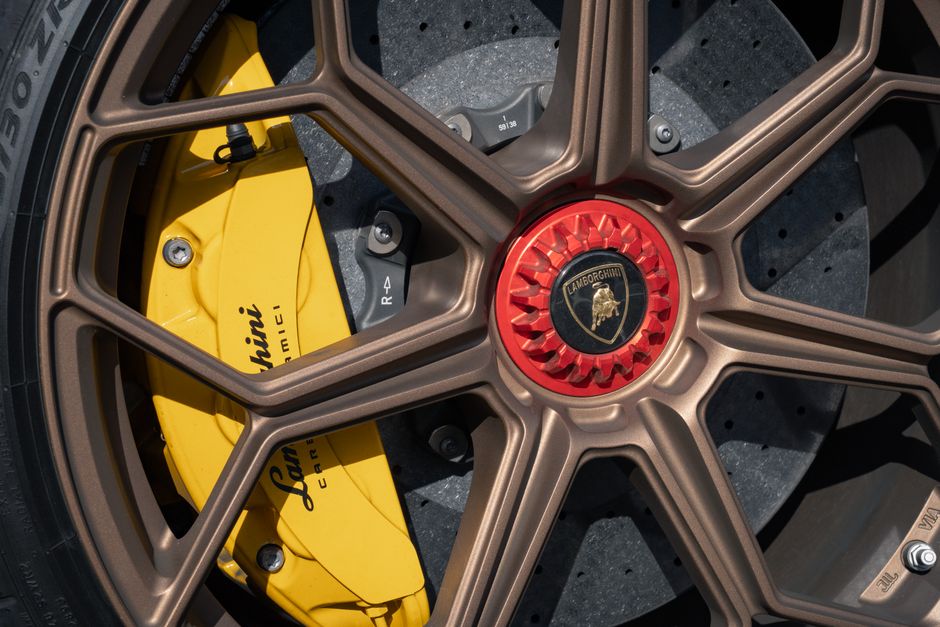
It is fair to acknowledge that many enthusiasts upgrade calipers partly for looks. A set of clean, well-finished calipers behind an open-spoke wheel transforms the appearance of a car or truck. There is nothing wrong with wanting both form and function.
Types of Performance Calipers
Understanding the main categories helps you make a smart choice rather than simply buying the biggest kit available.
Floating (Sliding) Calipers
Most factory brakes use floating calipers. They have pistons on one side only, and the caliper body slides on guide pins so both pads contact the rotor. They are lightweight, inexpensive, and simple. However, they flex more under heavy load and tend to wear pads unevenly. Some performance-oriented floating calipers improve on this with stronger brackets and better materials, but they remain a compromise.
Fixed (Opposed-Piston) Calipers
Fixed calipers have pistons on both sides of the rotor and do not slide. This design is stiffer, provides more even pad pressure, and delivers superior pedal feel. They are the standard choice for serious performance applications. Multi-piston fixed calipers — common configurations include four, six, and even eight pistons — spread clamping force more evenly and manage heat better.
Monobloc Calipers
A monobloc caliper is machined from a single piece of aluminum rather than assembled from two halves. This eliminates flex at the joint, saves weight, and improves rigidity. Monobloc calipers sit at the top of the performance hierarchy and are frequently found on high-end sports cars and dedicated track builds.
Two-Piece Calipers
Two-piece calipers are bolted together from two halves and often use separate pad guides. They are generally less expensive than monobloc units while still offering much of the rigidity benefit of a fixed design. For many street-driven performance cars, two-piece fixed calipers strike an excellent balance between cost and capability.
Key Factors When Choosing an Upgrade
The best caliper upgrade is not automatically the largest one. Matching components to your vehicle, use case, and supporting hardware matters far more than raw piston count.
Vehicle Weight and Use Case
A lightweight sports car may thrive with a four-piston front caliper upgrade, while a loaded pickup towing a trailer on a long descent may benefit from a six-piston setup and upgraded rear calipers. Define your real-world driving first, then choose accordingly.
Rotor Compatibility
Calipers must match rotor diameter and thickness. If you upgrade to a big brake kit, you will typically need larger rotors as well. Cross-drilled, slotted, and plain rotors each behave differently. Cross-drilled rotors help evacuate gas and debris and shed heat, while slotted rotors maintain pad bite. Some track-focused drivers prefer plain rotors for maximum crack resistance. Choose based on how you drive.
Piston Count and Bore Size
More pistons do not automatically mean better braking if the total piston area is mismatched to the master cylinder. A properly engineered caliper upgrade keeps hydraulic balance in mind so brake bias stays predictable and the pedal does not become overly long or short.
Pad Compound
Calipers and pads are a team. A high-performance caliper paired with an aggressive track pad can be noisy and dusty on the street, while a street pad may fade quickly on track. Ceramic brake pads are usually the right starting point for a vehicle that sees mostly road use with occasional spirited driving.
Brake Fluid and Lines
Upgrading calipers is a smart time to refresh brake fluid and consider stainless-steel braided lines. High-quality fluid resists boiling under heat, and braided lines reduce expansion under pressure, improving pedal firmness. The American College of Sports Medicine emphasizes that consistent, controlled physical performance depends on proper equipment and preparation — a principle that translates neatly to vehicle braking systems, where consistency under load is everything.
Wheel Clearance
Larger calipers may not clear your existing wheels. Check spoke clearance before purchasing. Many big brake kits require larger-diameter wheels or specific offset and spoke profiles.
Climate and Corrosion Resistance
Canadian drivers face a unique combination of road salt, gravel, and moisture. Choosing calipers with quality finishes — anodized, powder-coated, or otherwise protected — extends service life and keeps them looking good through multiple winters.
Installation and Break-In Considerations
Caliper upgrades range from direct bolt-on replacements to full custom big brake systems. Simple upgrades may be manageable for an experienced DIY mechanic, but larger kits often require professional installation to ensure proper bleeding, torque specs, and brake bias. Following a proven big brake kit installation guide can help you avoid common mistakes during the process.
After installation, proper bed-in is essential. The bed-in process transfers a thin, even layer of pad material onto the rotor surface. Without it, you may experience vibration, reduced performance, and uneven wear. Follow the manufacturer's recommendations, which typically involve a series of moderate stops followed by a cooling period.
It is also wise to re-check torque on caliper bolts and wheel hardware after the first few hundred kilometres of driving.
Are Caliper Upgrades Worth It for Canadian Drivers?
For many Canadian vehicle owners, the answer is yes — with the right expectations. If you tow, drive mountain highways, enjoy spirited weekend drives, or simply want a more confident and durable braking system, a performance caliper upgrade is a meaningful improvement. It shortens stopping distances, resists fade, improves pedal feel, and often adds a visual upgrade that makes the vehicle feel more special.
If your car is a stock commuter driven gently in the city, a high-quality pad and rotor refresh may be all you need. The key is matching the upgrade to your actual driving.
Conclusion
A performance brake caliper upgrade is about control, consistency, and confidence. By understanding caliper types, matching components to your vehicle, and respecting installation and break-in procedures, you can transform how your car, truck, or sports car stops. For Canadian enthusiasts dealing with tough weather and demanding roads, well-chosen calipers are both a performance upgrade and a durability investment. Take the time to plan the whole system — calipers, rotors, pads, lines, and fluid — and you will be rewarded with braking that feels sharper, safer, and more satisfying every time you press the pedal.