
Truck Brake Upgrade Canada: a 2026 Guide

Truck Brake Upgrade Canada: a 2026 Guide
Your truck is only as capable as its ability to stop. Whether you tow a travel trailer through the Rocky Mountains, haul tools between job sites in Ontario, or simply want better pedal feel from your daily driver, a truck brake upgrade in Canada is one of the most meaningful safety and performance investments you can make. Stock braking systems are engineered to a price point and to a set of assumptions—assumptions that often don't hold up once you add weight, horsepower, or British Columbia-sized mountain descents into the picture.
This guide explains how truck brakes work, which components matter most, how to choose the right upgrade for Canadian driving conditions, and what to consider when buying parts north of the border. For a broader look at how these principles apply across vehicle types, see our performance brake upgrade guide for Canadians.
Why Stock Truck Brakes Fall Short
Factory brake systems are designed around a specific set of parameters: the truck's curb weight, its rated payload, the tires it ships with, and what the manufacturer assumes is "normal" driving. That design works fine for an unloaded half-ton cruising on flat highway. It works less well when:
- You're towing near your truck's maximum tow rating, especially in hilly terrain.
- You've added a lift kit, larger tires, or heavier wheels—all of which increase rotational mass and reduce braking leverage.
- You drive loaded frequently, such as a contractor's truck carrying tools and materials daily.
- You've added performance modifications that raised horsepower well beyond stock.
- You regularly descend long grades, where brake fade becomes a real risk rather than a theoretical one.
Brake fade occurs when friction surfaces overheat and their coefficient of friction drops. On a long mountain descent with a loaded trailer, a stock system can lose a significant portion of its stopping power in a matter of minutes. A properly specified upgrade raises the system's thermal ceiling, so it keeps performing when you need it most.
The Core Components of a Truck Brake Upgrade
Upgrading brakes isn't a single product—it's a system. Understanding each component helps you spend money where it actually matters.

Rotors
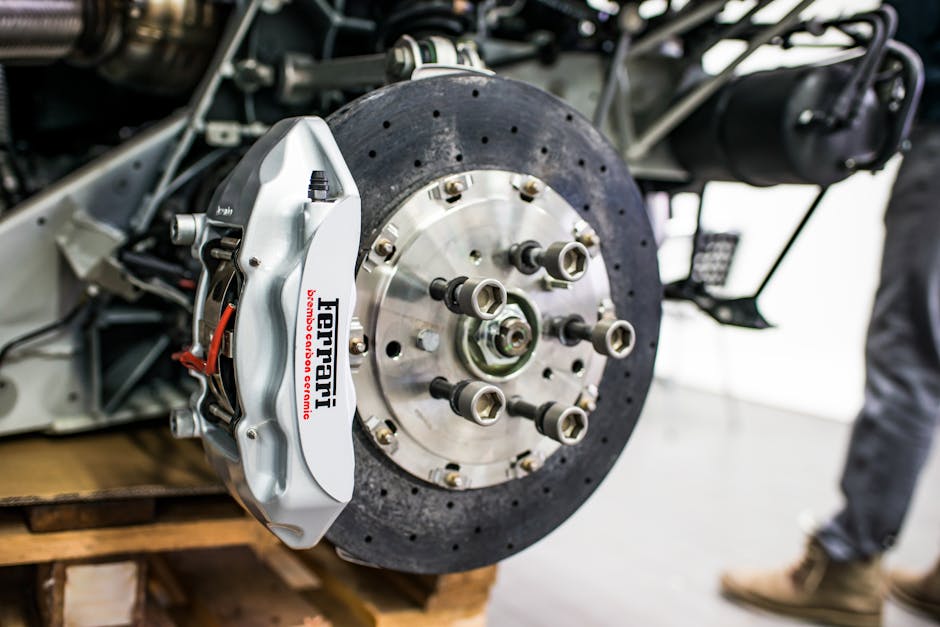
Rotors are the discs your brake pads clamp onto. Standard vented rotors handle moderate heat reasonably well. Slotted and cross-drilled rotors improve the evacuation of hot brake gas and debris from the pad surface, which helps maintain consistent bite under hard use. They also dissipate heat faster, which reduces the chance of warping—a common complaint on heavy trucks that tow often. If towing is your primary concern, our breakdown of the best rotors for towing in Canada covers the specific requirements in detail.
Quality matters enormously here. Cheap rotors with inconsistent metallurgy can crack around drilled holes or develop thickness variation that causes pedal pulsation. Well-made rotors, cast and machined to tight tolerances, hold up far better over the life of the vehicle.
Brake Pads
Pads are where the actual friction happens, and they are the single biggest determinant of how your brakes feel and perform. Pad compounds fall along a spectrum:
- OE-style organic or ceramic pads prioritize quiet operation and low dust at the cost of heat tolerance.
- Semi-metallic pads offer stronger bite and better heat resistance, which suits trucks that tow or haul. They tend to be noisier and dustier.
- Performance ceramic and hybrid compounds aim to balance high-temperature capability with reasonable noise and dust levels.
For a truck that works hard, semi-metallic or high-performance ceramic pads are usually the right starting point. Match the pad to the rotor's intended use—a dedicated track-compound pad on a daily-driven truck will be noisy and harsh until it reaches operating temperature. The same compound-selection logic applies whether you're building a truck or a sports car, as outlined in our complete guide to sport car brake kits.
Caliper Kits and Big Brake Upgrades
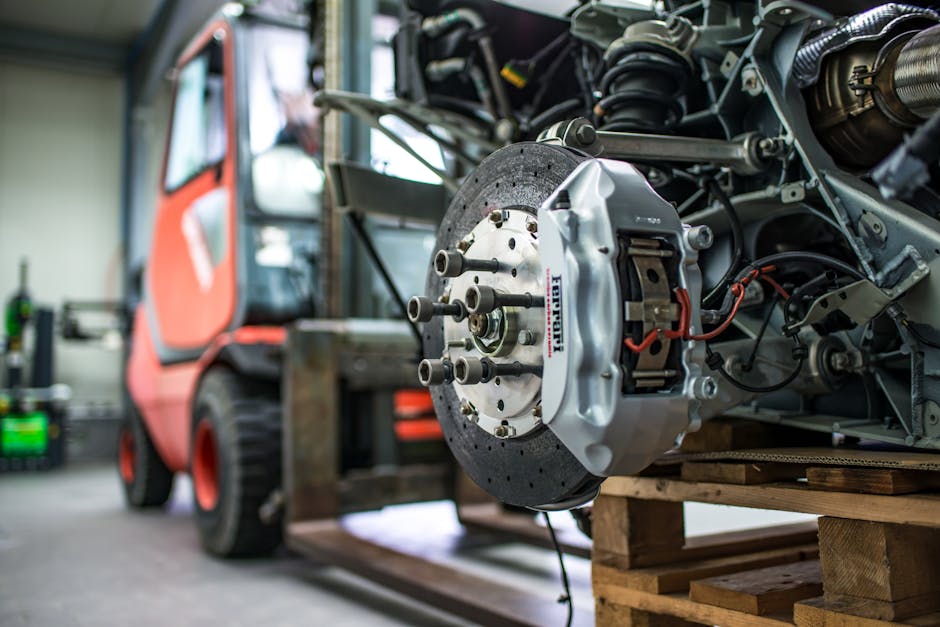
The brake caliper converts hydraulic pressure into clamping force. Stock calipers on many trucks are sliding single-piston or modest multi-piston designs. A big brake kit replaces them with larger multi-piston calipers and increased rotor diameter, which delivers more torque per unit of pedal effort and spreads heat over a larger surface.
Big brake kits are the highest-impact upgrade for trucks that tow heavily or run oversized tires. They're also the most expensive, so it pays to assess whether you genuinely need one or whether upgraded rotors, pads, and lines will meet your needs.
Brake Lines and Fluid
Rubber brake hoses flex under pressure, which slightly reduces the force reaching the caliper and can feel spongy. Stainless steel braided lines reduce that expansion and improve pedal consistency. Meanwhile, brake fluid absorbs moisture over time, lowering its boiling point—a flushed and upgraded fluid is cheap insurance against fade.
Matching the Upgrade to Your Truck and Your Driving
There's no universal "best" brake setup. The right answer depends on how you use the truck:
- Daily driver, occasional light towing: Quality rotors, a good semi-metallic or ceramic pad, and fresh fluid. Modest cost, noticeable improvement.
- Frequent towing and hauling: Slotted or cross-drilled rotors, performance pads rated for high temperatures, braided lines, and high-temperature fluid.
- Heavy towing, mountain driving, or oversized tires: A front big brake kit, plus matching rear upgrades where available, along with a proportionate rear brake setup to maintain balance.
- Lifted or modified truck: Brake upgrades sized to compensate for the added rotational mass of larger wheels and tires.
One important principle: brake bias matters. Upgrading only the front brakes on a truck without considering the rear can shift braking balance and lengthen stopping distances in some conditions. Whenever possible, upgrade as a coordinated system.
Canadian Conditions and What They Mean for Brakes
Canadian drivers put their braking systems through conditions that are genuinely tougher than average:
- Road salt and brine. Winter road treatment accelerates corrosion on rotors, calipers, and hardware. Corroded rotors lose effective surface area and can seize. Corrosion-resistant coatings and regular inspection matter a great deal, which is why we put together this guide to the best rust resistant brake rotors.
- Temperature swings. Repeated freeze-thaw cycles stress components, and cold-start braking with a cold pad compound feels very different from warmed-up performance.
- Mountain terrain. Routes like the Coquihalla, the Sea-to-Sky, and numerous Alberta and Quebec descents demand real thermal capacity, especially when towing.
- Long distances between service stops. In rural and northern regions, reliability isn't optional.
The practical takeaway: Canadian truck owners should favor components with strong corrosion resistance and proven cold-weather behavior, not just peak track performance.
Towing Safety: Why Brakes Deserve Priority
Government and safety organizations consistently emphasize that a vehicle's braking system is its most critical safety component, and that maintaining adequate stopping distance is fundamental to crash avoidance. The American College of Sports Medicine and other public health and safety bodies repeatedly note that injury prevention depends on both human behavior and equipment readiness—following distances and vehicle condition work together. When you add a trailer, your stopping distance grows substantially, and your truck's brakes have to manage far more kinetic energy. Upgrading the tow vehicle's brakes, maintaining the trailer's own brakes, and leaving generous following distance are three parts of the same safety strategy.
Buying Truck Brake Parts in Canada
Cross-border shopping for brake parts introduces real friction: duties, brokerage fees, exchange rate swings, and slow shipping can erase any apparent savings. Canadian buyers also want parts that are properly specified for the vehicles sold here and backed by someone accountable for the fitment.
Key things to look for when buying:
- Correct fitment. Brake parts are vehicle-specific. Confirm year, make, model, trim, and any brake-related options before ordering.
- Clear pricing. Watch for surprise charges. A price that includes sales tax and ships fast within Canada is simpler to budget for than one that looks cheap until it lands at your door.
- Component quality. Ask about rotor material, pad compound, and caliper construction. Vague answers usually mean vague quality.
- Support. A supplier who understands trucks and towing can help you choose between a pad upgrade and a full big brake kit.
Specialist Canadian brake suppliers—those focused specifically on high-performance discs, kits, and components rather than general auto parts—tend to offer better guidance and better-matched kits for trucks, sports cars, and everything in between. Buying domestically also means faster delivery and simpler returns if something doesn't fit.
Installation and Break-In
Brake work is safety-critical. If you're not experienced with hydraulic systems, torque specifications, and proper bleeding procedures, have a qualified technician do the installation. If you do install yourself:
- Clean rotors thoroughly to remove the protective oil film before installation.
- Use a proper bed-in procedure—a series of moderate-to-firm stops from moderate speed to transfer an even layer of pad material onto the rotor.
- Allow the brakes to cool fully afterward rather than holding the truck stationary with hot pads clamped to hot rotors.
- Re-torque wheel fasteners and recheck fluid levels after the first drive cycle.
Proper break-in dramatically affects how your new brakes perform and how long they last. Skipping it can lead to uneven deposits, noise, and vibration.
Conclusion
A truck brake upgrade in Canada is about matching your equipment to the real demands you place on it—towing, hauling, mountain grades, and harsh winters. Start by understanding which components are limiting your current system, then upgrade as a coordinated set: rotors, pads, lines, and fluid, with a big brake kit when the workload genuinely justifies it. Prioritize corrosion resistance and cold-weather performance, buy from a Canadian supplier who knows trucks and can confirm fitment, and never compromise on installation quality or break-in. Do that, and your truck will stop as confidently as it pulls.