
Best Rotors for Towing: a Canadian Guide

Best Rotors for Towing: a Canadian Guide
If you tow a trailer, boat, camper, or work trailer in Canada, your brakes are doing far more work than the brakes on a commuter car. A loaded rig can push your truck's braking system close to its thermal and mechanical limits, and the rotors are right at the center of that battle. Choosing the best rotors for towing is not about chasing a brand name — it is about understanding heat, mass, metallurgy, and how your truck actually behaves when you are descending a long grade outside of Kamloops or stopping short on Highway 401.
This guide breaks down what makes a rotor suitable for towing, the main types available in 2026, and how to match a set of rotors to your vehicle and trailer weight.
Why Towing Destroys Ordinary Rotors
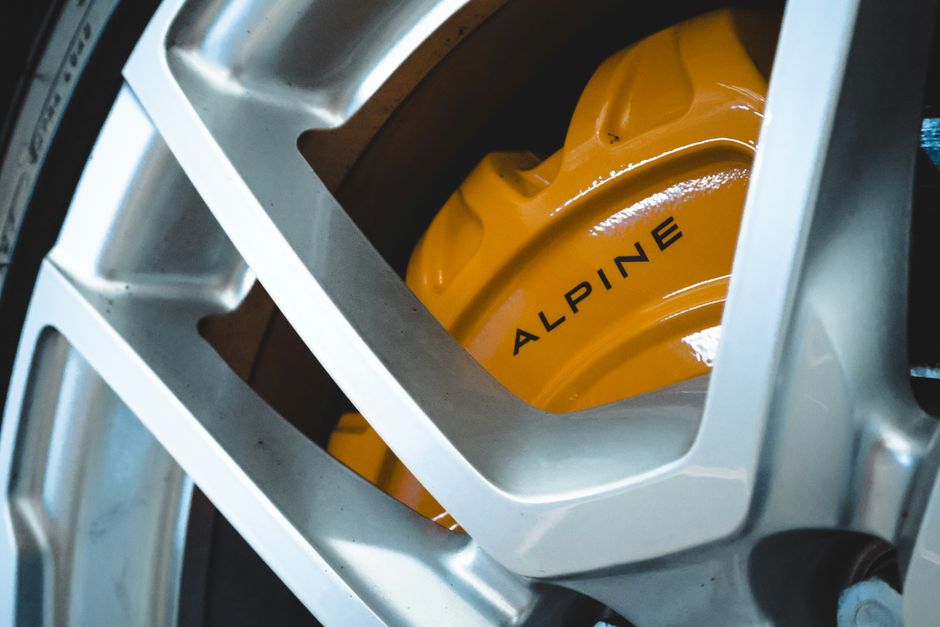
Brake rotors convert motion into heat, and towing multiplies that heat dramatically. A half-ton pickup pulling a 7,000 lb travel trailer carries far more kinetic energy than the same truck running empty. Every stop requires the brakes to dissipate that energy, and on long descents the rotors can stay hot for minutes at a time rather than seconds.
Heat does several things to a rotor:
- Warping and thickness variation. Uneven heating and cooling can cause the rotor face to develop high and low spots, which shows up as pedal pulsation and steering wheel shimmy.
- Pad fade and uneven deposits. When pad material transfers unevenly to a hot rotor, you get judder that no amount of bedding-in will fix.
- Cracking. Repeated thermal cycling eventually causes surface cracking, especially in cheap, thin castings.
- Accelerated wear. Towing wears pads and rotors faster because every stop is a heavy-duty event.
The takeaway is simple: towing demands a rotor with more thermal mass, better metallurgy, and a design that manages heat rather than trapping it.
What to Look For in a Towing Rotor
Mass and Thickness
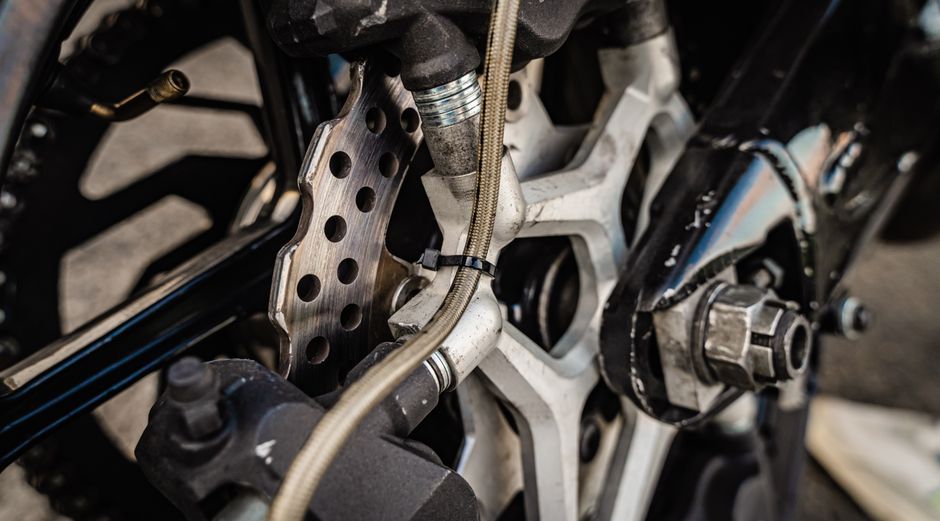
Heavier, thicker rotors absorb more heat before temperatures spike. If your truck was offered with a factory heavy-duty or "max tow" brake package, those larger rotors and calipers exist for a reason. Upgrading to the larger factory size is often the single most effective rotor change you can make. Avoid drilled rotors that remove material from the friction ring on a vehicle that will be worked hard — that mass matters.
Metallurgy and Casting Quality
Not all cast iron is equal. Premium rotors use higher-carbon or specially alloyed iron that resists cracking and handles thermal cycling better. Cheap offshore castings often have inconsistent hardness and porosity, which is exactly what fails under towing loads. Look for rotors described as high-carbon, G3000-grade, or otherwise specified for severe duty.
Vane Design
Vented rotors use internal vanes to pull air through the disc. Straight vanes are strong and predictable; directional curved vanes move more air but must be installed on the correct side. For towing, a well-designed vented rotor with robust vanes is almost always the right call. Solid (non-vented) rotors belong on light-duty applications only.
Coating and Corrosion Resistance
Canadian winters mean road salt, brine, and freeze-thaw cycles. A coated rotor hat and edges resist rust far better than bare cast iron, and it keeps the rotor looking presentable behind an open wheel. This is a real functional benefit, not just cosmetics — corrosion around the hat and vane openings degrades cooling over time.
Slotted vs. Drilled vs. Blank
This is where a lot of towing advice goes wrong. Drilled rotors look aggressive and shed gas and water well, but the holes are stress risers that can crack under sustained heavy heat. For a tow rig, a blank (smooth) rotor or a slotted rotor is generally the better choice. Slots help evacuate debris and gas while keeping more material and strength than drilling. If you want the cross-drilled look for a show truck that only occasionally tows light loads, that is a different conversation than a diesel pulling a fifth wheel through the Rockies.
Types of Rotors for Towing, Ranked
- Heavy-duty blank rotors (best overall for towing). Maximum mass, maximum strength, no stress risers. Ideal for trucks, SUVs, and vans that tow regularly.
- Slotted rotors. A strong second choice. Good debris evacuation and consistent bite, with more crack resistance than drilled designs.
- Drilled rotors. Fine for light towing and street performance, but not the first pick for heavy, repeated loads.
- Two-piece floating rotors. Excellent for high-performance applications and weight reduction, but usually overkill for a tow rig and often more expensive to service.
- Budget economy rotors. Avoid for towing. Thin castings and inconsistent iron are a false economy when you are hauling thousands of pounds.
If you want a deeper look at how drilled and performance rotors behave in real-world use, DBC Brakes publishes detailed product information and options at CrossDrilledRotors.ca, including kits built for trucks and heavy-duty applications.

Matching Rotors to Your Tow Vehicle and Trailer
The right rotor depends on what you are pulling and how often.
- Occasional light towing (under 3,500 lb). A quality blank or slotted rotor in the factory size is plenty. Focus on premium pads and fresh fluid.
- Regular mid-weight towing (3,500–7,000 lb). Step up to high-carbon, heavy-duty rotors and consider the factory max-tow brake upgrade if your truck supports it. For a truck-specific breakdown, see the guide to the best brakes for towing Silverado 1500.
- Heavy towing (7,000 lb and up). Bigger brakes, high-carbon rotors, and a properly matched pad compound. At this level, trailer brakes are non-negotiable and must be working correctly.
One point that towing owners sometimes overlook: rotors and pads are a system. A high-performance pad on a thin economy rotor will overheat the rotor. Match the thermal capacity of the pad to the rotor, and match both to the load.
Installation and Break-In Tips for Towing
Even the best rotor will perform poorly if it is installed or bedded incorrectly.
- Clean the hub surface. Rust and debris on the hub face cause lateral runout, which leads to pulsation.
- Check runout with a dial indicator. Towing amplifies any wobble into a real problem.
- Use a torque wrench on lug nuts and re-torque after the first drive and again after your first tow.
- Bed the pads properly. Follow the manufacturer's procedure — typically a series of moderate stops from increasing speeds, then a cool-down period without holding the brakes at a stop.
- Do not tow heavy immediately. Give the new friction pair a chance to transfer an even pad layer before you load it up.
It is also worth checking that your trailer brakes, breakaway system, and brake controller are functioning correctly. Rotor upgrades on the tow vehicle cannot compensate for non-working trailer brakes. For general guidance on vehicle maintenance and safe towing practices, organizations such as the American College of Sports Medicine publish broader health and safety resources, though for towing-specific brake standards your provincial ministry of transportation and the manufacturer's towing guide are the authoritative sources.
Common Mistakes Canadian Towing Owners Make
- Buying on price alone. Cheap rotors crack, warp, and wear pads faster, costing more over the life of the truck.
- Choosing drilled rotors for heavy towing purely for looks.
- Ignoring brake fluid. Old, moisture-contaminated fluid boils and causes a soft pedal when you need stopping power most. Flush it every two years, more often if you tow hard.
- Skipping the rear brakes. On many trucks the rear brakes do a large share of the work when loaded. Upgrade front and rear together.
- Forgetting corrosion protection for winter driving and storage.
Conclusion
The best heavy duty brake rotors for towing are high-carbon, vented rotors — blank or slotted — sized to your truck's heaviest available brake package. They prioritize thermal mass and casting quality over cosmetic drilling, and they are matched to a pad compound built for heat. If you tow regularly in Canada, especially in hilly terrain or in winter, that combination is what keeps your pedal firm and your stops predictable when the load is on.
Upgrade deliberately, install carefully, bed the pads correctly, and keep your trailer brakes and fluid in good condition. Do that, and your brake system will handle the weight you put behind it — season after season.